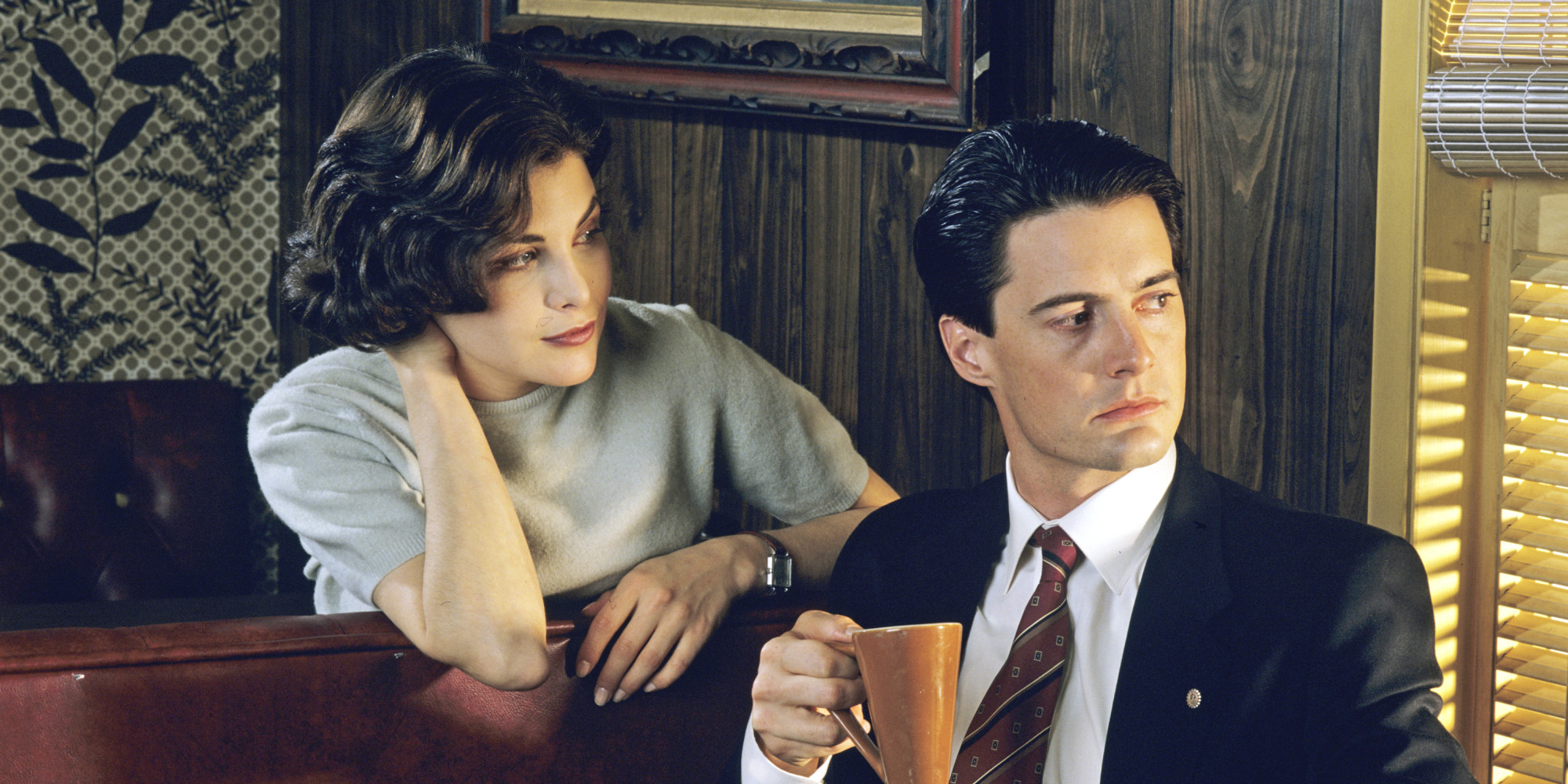
The X-Files, Season 2, Episode 13: “Irresistible” (January 13, 1995)

Not only is “Irresistible” highly atmospheric and cinematic, it feels like an especially pivotal episode in the early trajectory of The X-Files as a whole. While the series alternated between the ongoing UFO narrative and monsters-of-the-week, and delved into an apparently endless array of the arcane, its overall aesthetic thrust was towards a convergence of all strangeness upon a new 90s lifeworld in which there was no longer any difference between normal and paranormal occurrences. In this near future, the concept of normality would cease to ramify.
“Irresistible” is an important step in this direction, since it started out as one of the few episodes with no overt paranormal content, instead tackling necrophilia. When this proved too controversial, Chris Carter rewrote it about the more amorphous phenomenon of “death fetishism.” At heart this is still a sexual fixation with death, but over the course of the episode it blends with a panorama of other paranormal possibilities. Mulder and Scully are first called into the case of this particular death fetishist, Donnie Pfaster, played by Nick Chinlund, because the local sheriff believes that it may have UFO overtones. At the end of the episode, when Donnie abducts Scully, she has visions of his head glitching over those of famous serial killers before it morphs into an alien or demonic being. And Donnie himself would return in the seventh season episode “Orison,” as a demonic incarnation of this death fetishist.
In other words, “Irresistible” takes the original profile of a necrophile and generalises to that of the death fetishist, or the fetishist more generally, since the agents describe the death fetishist’s profile as both an unformed profile and the sum of all profiles. That makes the episode a spiritual (and much better) sequel to “3” in its vision of fetishism as the language of encroaching millennium. However, whereas “3” focused on the esoteric edge of fetishism, “Irresistible” is more fixated on its implications for masculinity. For the fetishist here becomes a study in effeminate heterosexuality – he’s not a hairdresser or manicurist, two stereotypically gay professions, but he does collect hair and fingernails (Mulder makes a joke about bringing his blow dryer next time). By contrast, Mulder has to double down on his normative masculinity, playfully confessing that he only took the job to get tickets to a Viking-Redskins game.

Since “Irresistible” focuses on “the key to all fetishistic mythologies,” there’s a considerable amount of serial killer lore built into its narrative. The crime occurs in Minneapolis, home of Jeffrey Dahmer, and Mulder and a local cop discuss Dahmer while watching the Vikings game. Tropes also abound from the oeuvres of Ted Bundy and Gary Ridgway – bringing an unsuspecting sex worker home, intercepting a woman in a carpark – while a scene where Donnie trails Scully’s car is straight out of The Silence of the Lambs. Anxiety of the serial killer’s preternatural porosity suffuses every scene, so it feels right that he poses as a replacement delivery man, turning himself into an instant friend of the first family he services, who invite him to use the back door whenever they’re not at home.
With this invocation of classic serial killer narratives comes a renewed synergy between the serial killer and the forensic pathologist, whose job is to read the traces that he leaves for her. Accordingly, Scully is peculiarly affected by the case, and is given the most sustained exposition on autopsy procedure since the Season 2 pilot. Once again, Scully tells us that “a body tells a story,” excerpt the twist this time is that her voiceover isn’t part of a seminar to forensic students but her own inner monologue as she types up her thoughts on her personal computer. As so often occurs with Scully, the inner space of the forensic body gives way to the inner space of the home computer, except in an even more pointed and pregnant manner than usual. Scully is especially emphatic in “Irresistible” that autopsy is an act of female intuition – “feeling” what a body as to say – and this extends to her proprioception more generally, as she feels the killer approaching her haptic space long before she sees him.
All of that turns “Irresistible” into a vehicle for some of Scully’s most tender and vulnerable moments so far. For the first time since her abduction arc she actually discusses her abduction, along with the trauma of her father’s death, in a therapy scene anchored in long close-ups of her face. Likewise, when Donnie abducts her, he binds and gags her in much the same way as Duane Barry, albeit propping her vertically rather than laying her down horizontally. The effect is not like Leland Palmer’s attack on Maddie Ferguson in the second seasn of Twin Peaks – “it is happening again” – especially with an unusually sombre synth score often straying into Badalamenti territory. All of that endows “Irresistible” with the open-ended intensity of a double episode, although the ending is perfect too – Scully breaking down as Mulder gently touches her face.

Leave a Reply